Category: ERP Software

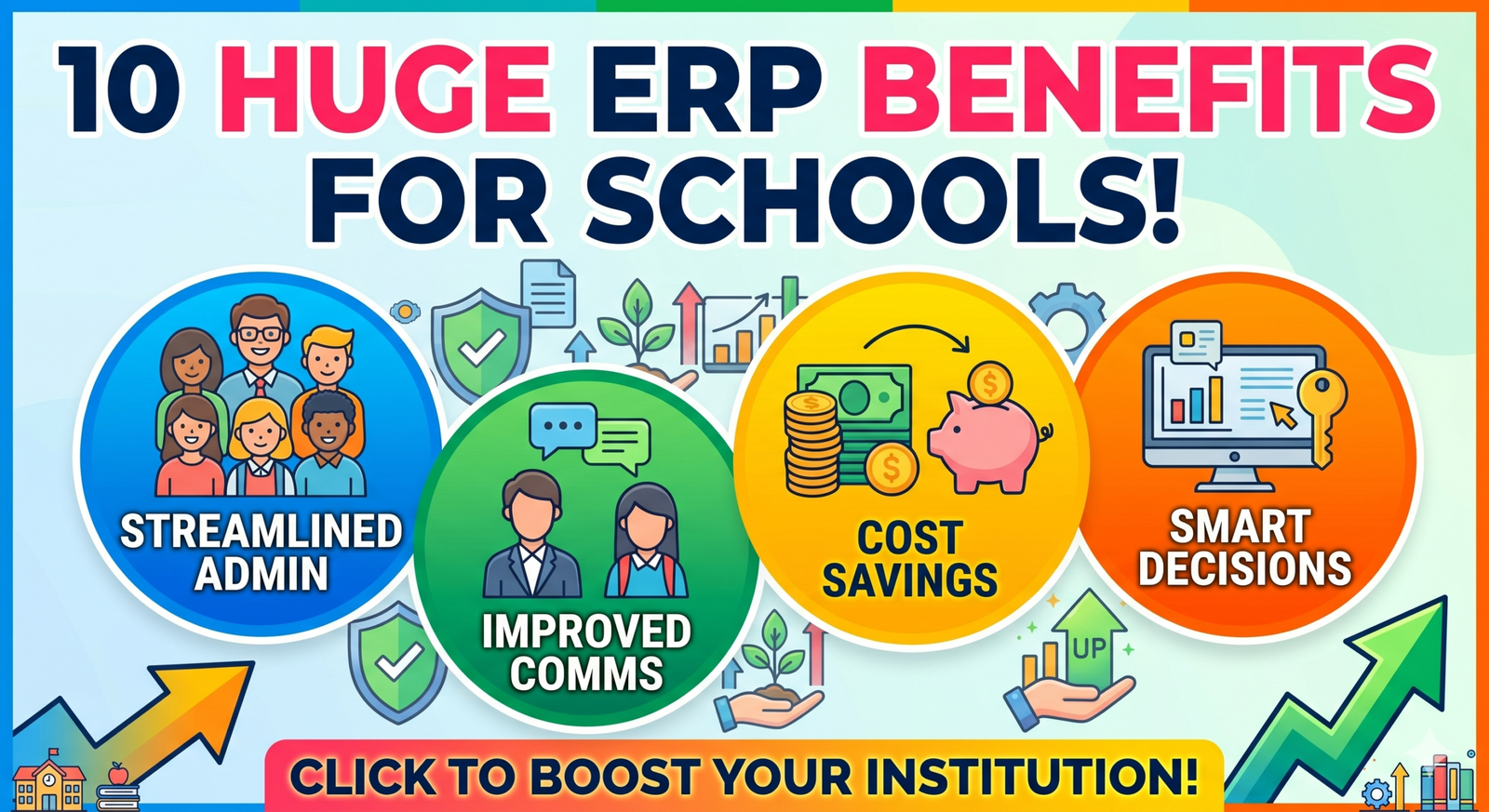
10 Lesser-Known Benefits of an Education ERP System

An Education ERP is more than just a digital management tool—it’s a catalyst for transformation within academic institutions. Here’s what many don’t realize:

  1. Promotes Transparency
    Connects departments and processes, enabling seamless data sharing and accountability.

  2. Eliminates Systemic Delays
    Highlights inefficiencies by making performance data visible and actionable.

  3. Informs Decisions
    Empowers leadership with accurate insights on students, staff, and curriculum.

  4. Clarifies Priorities
    Helps management focus on what matters most based on real-time data.

  5. Boosts Productivity
    Tracks actions and performance to foster continuous growth and improvement.

  6. Eliminates Redundancy
    Centralized data reduces duplication and errors—always access the latest info.

  7. Strengthens Communication
    Keeps everyone in the loop with automated logs and action records.

  8. Drives Cultural Change
    Increases responsibility and morale through openness and shared accountability.

  9. Enables Long-Term Insights
    Historical data powers predictive analysis for student success and planning.

  10. Builds Stronger Relationships
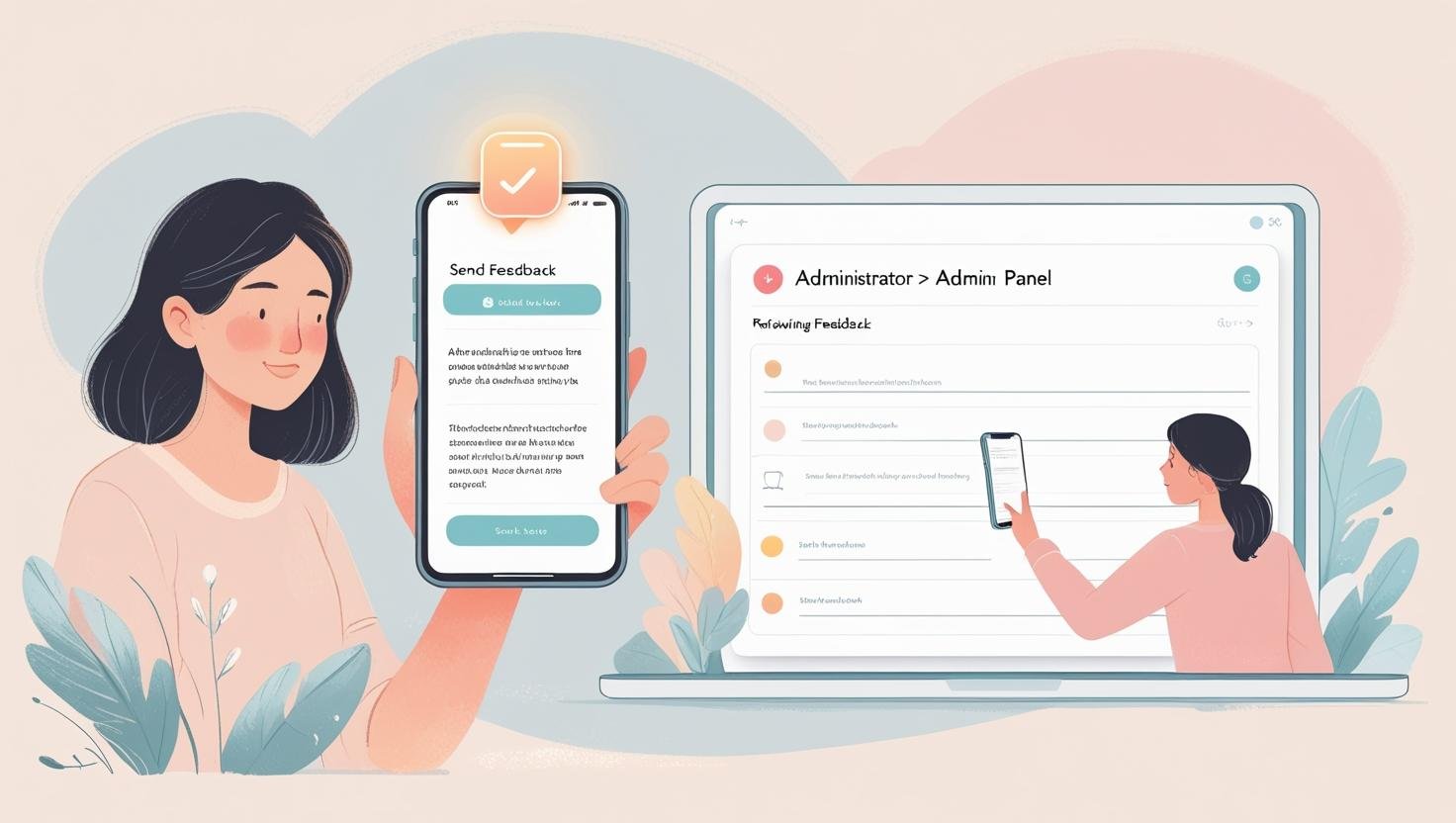
    By valuing feedback and actions, it enhances trust among students, parents, and staff.

An ERP doesn’t just automate—it elevates.
Adopt an Education ERP to transform your institution into a transparent, connected, and future-ready ecosystem.

  • ERP Workflow Automation Benefits | Improve Operations in Colleges & Companies

    ERP Workflow Automation Benefits | Improve Operations in Colleges & Companies

    ERP Workflow Automation Benefits | Improve Operations in Colleges & Companies

    How ERP and HRMS Systems Improve Workflows in Organizations

    ERP and HRMS systems improve workflows by automating repetitive tasks, integrating processes across departments, and providing real-time visibility into operations.

    Why Workflow Efficiency Matters

    Inefficient workflows are one of the biggest barriers to organizational growth. Manual and disconnected processes often result in:

    • Delays in operations
    • Increased errors
    • Lack of coordination
    • Reduced productivity

    Improving workflows is not just about efficiency—it directly impacts performance, scalability, and user experience.

    Key Workflow Improvements with ERP Systems (Education)

    Admissions Workflow

    Before

    • Manual form processing
    • Multiple approval steps
    • Delays in verification

    After ERP

    • Online applications
    • Automated approval workflows
    • Real-time status tracking

    Solutions like A2A ERP by MEETCS streamline admissions workflows through automation and centralized management.

    Fee Management Workflow

    Before

    • Manual fee collection
    • Delayed reconciliation
    • Limited financial visibility

    After ERP

    • Online payment processing
    • Automated tracking and reporting
    • Real-time dashboards

    Academic and Scheduling Workflow

    Before

    • Manual timetable creation
    • Scheduling conflicts
    • Poor coordination

    After ERP

    • Automated scheduling
    • Conflict-free allocation
    • Integrated academic planning

    Reporting Workflow

    Before

    • Manual data compilation
    • Time-consuming report generation

    After ERP

    • Instant report generation
    • Real-time analytics

    Key Workflow Improvements with HRMS (Enterprise)

    Recruitment Workflow

    Before

    • Manual candidate tracking
    • Disorganized communication

    After HRMS

    • Automated applicant tracking
    • Structured hiring workflows

    Solutions like Talenticks HRMS by MEETCS enable organizations to manage recruitment efficiently.

    Employee Management Workflow

    Before

    • Manual attendance and leave tracking
    • Errors in payroll processing

    After HRMS

    • Automated attendance tracking
    • Integrated payroll systems

    Performance Management Workflow

    Before

    • Subjective evaluations
    • Limited performance visibility

    After HRMS

    • Data-driven performance tracking
    • Structured appraisal systems

    Organizations looking to improve operational efficiency should adopt systems that automate workflows and integrate processes across departments.

    Business Impact of Workflow Automation

    Organizations implementing ERP and HRMS systems experience:

    • Faster execution of tasks
    • Reduced operational errors
    • Improved coordination between teams
    • Better decision-making through real-time data

    How MEETCS Improves Organizational Workflows

    MEETCS provides integrated solutions designed to optimize workflows across education and enterprise environments.

    With A2A ERP and Talenticks HRMS, organizations can:

    • Automate end-to-end workflows
    • Integrate multiple processes into one system
    • Improve operational visibility
    • Scale efficiently without process bottlenecks

    This ensures consistent and measurable workflow improvements.

    Explore Our A-2-A (Admission-2-Alumni) ERP NOW !

    Institutions looking to modernize their admission and fee processes should adopt a centralized digital system.

    Request a Consultation (Click Here)
    What changes after ERP implementation?

    It is the automation of processes such as admissions, fee management, and reporting within an ERP system.

    How does HRMS improve workflows?

    HRMS automates HR processes such as recruitment, payroll, and performance tracking.

    Does workflow automation reduce errors?

    Yes. Automation significantly reduces manual errors.

    Can ERP replace multiple systems?

    Yes. ERP consolidates multiple functions into a single platform.

    MEETCS offers a free demo of our world-class, highly efficient alumni management software.

    Reach out today to discover how technology can elevate your academic and learning processes, driving your institution toward peak performance, recognition, and success.

    Unlock the Future with MEETCS Insights

    Stay Ahead with MEETCS Insights

    Subscribe to our mailing list for the latest in education and HR tech, product updates, expert tips, and industry trends. Be the first to know about new features, webinars, case studies, and special offers.

    No spam—just smart updates.

    ME EDUCATIONAL TECHNOLOGIES & CONSULTANCY SERVICES PVT LTD (MEETCS)

    Copyright © 2026 All Rights Reserved.

  • ERP Before vs After Implementation | Real Transformation in Colleges

    ERP Before vs After Implementation | Real Transformation in Colleges

    ERP Before vs After Implementation | Real Transformation in Colleges

    ERP Before vs After Implementation: What Actually Changes

    Before ERP implementation, institutions rely on manual and fragmented processes, while after ERP adoption, workflows become automated, integrated, and data-driven, leading to improved efficiency and decision-making.

    Why “Before vs After” Matters

    Many institutions understand what ERP systems offer, but struggle to visualize actual impact. A clear comparison helps decision-makers evaluate:

    • Operational improvements
    • Efficiency gains
    • Return on investment

    Before ERP: Common Challenges

    Fragmented Systems

    Different departments use separate tools, leading to:

    • Data silos
    • Inconsistent records
    • Lack of coordination

    Manual Processes

    Tasks such as admissions, fee collection, and reporting are handled manually, resulting in:

    • Errors
    • Delays
    • Increased workload

    Limited Visibility

    Administrators lack real-time insights into:

    • Student performance
    • Financial data
    • Operational metrics

    Inefficient Communication

    Departments operate independently, reducing collaboration and efficiency.

    After ERP: Measurable Improvements

    Centralized Operations

    All processes are managed within a single system, ensuring data consistency and accessibility.

    Solutions like A2A ERP by MEETCS provide integrated workflows across admissions, academics, and finance.

    Process Automation

    Key operations are automated, including:

    • Admissions workflows
    • Fee management
    • Timetable scheduling
    • Reporting

    Real-Time Insights

    Institutions gain access to dashboards that provide:

    • Performance tracking
    • Financial visibility
    • Operational analytics

    Improved Efficiency

    Automation reduces manual workload, enabling staff to focus on higher-value activities.

    Enhanced Experience

    Students, faculty, and administrators benefit from:

    • Faster processes
    • Better communication
    • Increased transparency

    Before vs After: Quick Comparison

    Admissions
    Before: Manual forms and delays
    After: Online applications and automated workflows

    Fee Management
    Before: Cash handling and delayed reconciliation
    After: Digital payments and real-time tracking

    Academic Management
    Before: Manual scheduling and errors
    After: Automated and integrated systems

    Reporting
    Before: Time-consuming manual reports
    After: Instant dashboards and analytics

    Institutions evaluating ERP systems should focus on measurable improvements across workflows and operational efficiency.

    Business Impact of ERP Implementation

    Organizations that implement ERP systems effectively experience:

    • Faster operations
    • Reduced errors
    • Better decision-making
    • Scalable systems for growth

    How MEETCS Drives Transformation

    MEETCS focuses on delivering measurable outcomes through ERP implementation.

    With A2A ERP, institutions can:

    • Transform manual workflows into automated systems
    • Integrate all departments into a unified platform
    • Improve operational visibility and control
    • Scale efficiently as the institution grows

    This ensures a clear and measurable transformation.

    Explore Our A-2-A (Admission-2-Alumni) ERP NOW !

    Institutions looking to modernize their admission and fee processes should adopt a centralized digital system.

    Request a Consultation (Click Here)
    What changes after ERP implementation?

    Processes become automated, data becomes centralized, and decision-making improves.

    How long does it take to see results?

    Initial improvements are visible immediately after go-live, with full impact realized over time.

    Is ERP worth the investment?

    Yes. ERP systems deliver long-term efficiency and scalability.

    Can ERP replace multiple systems?

    Yes. ERP consolidates multiple functions into a single platform.

    MEETCS offers a free demo of our world-class, highly efficient alumni management software.

    Reach out today to discover how technology can elevate your academic and learning processes, driving your institution toward peak performance, recognition, and success.

    Unlock the Future with MEETCS Insights

    Stay Ahead with MEETCS Insights

    Subscribe to our mailing list for the latest in education and HR tech, product updates, expert tips, and industry trends. Be the first to know about new features, webinars, case studies, and special offers.

    No spam—just smart updates.

    ME EDUCATIONAL TECHNOLOGIES & CONSULTANCY SERVICES PVT LTD (MEETCS)

    Copyright © 2026 All Rights Reserved.

  • ERP Use Cases for Colleges | Real Scenarios & Workflow Improvements

    ERP Use Cases for Colleges | Real Scenarios & Workflow Improvements

    ERP Use Cases for Colleges | Real Scenarios & Workflow Improvements

    ERP Implementation Timeline: Phases, Duration, and What to Expect

    A typical ERP implementation takes a few weeks to a few months and includes key phases such as planning, data migration, system configuration, testing, training, and post-go-live support.

    Why Understanding the Timeline is Important

    One of the biggest concerns organizations have before implementing an ERP system is the time required for deployment.

    Unclear timelines often lead to:

    • Delayed decision-making
    • Unrealistic expectations
    • Frustration during implementation

    A structured timeline helps organizations plan resources, align stakeholders, and ensure smooth execution.

    Key Phases of ERP Implementation

    Phase 1: Requirement Analysis and Planning

    Duration: 1–2 weeks

    This phase includes:

    • Understanding business processes
    • Defining objectives
    • Identifying required modules
    • Creating an implementation roadmap

    Phase 2: System Design and Configuration

    Duration: 2–4 weeks

    The system is configured based on institutional or organizational requirements, including:

    • Workflow setup
    • User roles and permissions
    • Module customization (if required)

    Solutions like A2A ERP by MEETCS follow structured configuration processes aligned with industry best practices.

    Phase 3: Data Migration

    Duration: 1–3 weeks

    This involves:

    • Data extraction from legacy systems
    • Data cleansing and validation
    • Secure migration to the new system

    Phase 4: Testing and Validation

    Duration: 1–2 weeks

    Before go-live, the system is tested to ensure:

    • Data accuracy
    • Workflow functionality
    • System stability

    Phase 5: Training and User Onboarding

    Duration: Ongoing (before and after go-live)

    Users are trained to:

    • Navigate the system
    • Perform daily operations
    • Adapt to new workflows

    Phase 6: Go-Live and Stabilization

    Duration: 2–6 weeks

    The system is deployed, and organizations begin using it in real operations.

    During this phase:

    • Initial issues are resolved
    • System performance is monitored
    • User support is provided

    Organizations planning ERP implementation should choose partners who provide clear timelines and structured execution processes.

    Factors That Affect Implementation Timeline

    Organization Size

    Larger institutions or companies require more time due to complexity.

    Data Volume and Quality

    Poor data quality increases migration time.

    Customization Requirements

    Higher customization leads to longer implementation.

    Stakeholder Involvement

    Active participation speeds up implementation.

    How MEETCS Ensures Timely ERP Implementation

    MEETCS follows a structured and efficient implementation methodology.

    With A2A ERP and Talenticks HRMS, organizations benefit from:

    • Clearly defined timelines
    • Phased implementation approach
    • Secure and efficient data migration
    • Comprehensive training programs
    • Dedicated post-go-live support

    This ensures predictable timelines and successful deployment.

    Explore Our A-2-A (Admission-2-Alumni) ERP NOW !

    Institutions looking to modernize their admission and fee processes should adopt a centralized digital system.

    Request a Consultation (Click Here)
    What are ERP use cases in colleges?

    They are real scenarios where ERP systems improve workflows such as admissions, fee management, and academic operations.

    How does ERP improve efficiency?

    By automating processes and centralizing data.

    Can ERP handle all departments?

    Yes. ERP systems are designed to integrate all institutional functions.

    Is ERP suitable for large institutions?

    Yes. ERP systems are scalable and support complex operations.

    MEETCS offers a free demo of our world-class, highly efficient alumni management software.

    Reach out today to discover how technology can elevate your academic and learning processes, driving your institution toward peak performance, recognition, and success.

    Unlock the Future with MEETCS Insights

    Stay Ahead with MEETCS Insights

    Subscribe to our mailing list for the latest in education and HR tech, product updates, expert tips, and industry trends. Be the first to know about new features, webinars, case studies, and special offers.

    No spam—just smart updates.

    ME EDUCATIONAL TECHNOLOGIES & CONSULTANCY SERVICES PVT LTD (MEETCS)

    Copyright © 2026 All Rights Reserved.

  • ERP Implementation Timeline | Phases, Duration & What to Expect

    ERP Implementation Timeline | Phases, Duration & What to Expect

    ERP Implementation Timeline | Phases, Duration & What to Expect

    ERP Implementation Timeline: Phases, Duration, and What to Expect

    A typical ERP implementation takes a few weeks to a few months and includes key phases such as planning, data migration, system configuration, testing, training, and post-go-live support.

    Why Understanding the Timeline is Important

    One of the biggest concerns organizations have before implementing an ERP system is the time required for deployment.

    Unclear timelines often lead to:

    • Delayed decision-making
    • Unrealistic expectations
    • Frustration during implementation

    A structured timeline helps organizations plan resources, align stakeholders, and ensure smooth execution.

    Key Phases of ERP Implementation

    Phase 1: Requirement Analysis and Planning

    Duration: 1–2 weeks

    This phase includes:

    • Understanding business processes
    • Defining objectives
    • Identifying required modules
    • Creating an implementation roadmap

    Phase 2: System Design and Configuration

    Duration: 2–4 weeks

    The system is configured based on institutional or organizational requirements, including:

    • Workflow setup
    • User roles and permissions
    • Module customization (if required)

    Solutions like A2A ERP by MEETCS follow structured configuration processes aligned with industry best practices.

    Phase 3: Data Migration

    Duration: 1–3 weeks

    This involves:

    • Data extraction from legacy systems
    • Data cleansing and validation
    • Secure migration to the new system

    Phase 4: Testing and Validation

    Duration: 1–2 weeks

    Before go-live, the system is tested to ensure:

    • Data accuracy
    • Workflow functionality
    • System stability

    Phase 5: Training and User Onboarding

    Duration: Ongoing (before and after go-live)

    Users are trained to:

    • Navigate the system
    • Perform daily operations
    • Adapt to new workflows

    Phase 6: Go-Live and Stabilization

    Duration: 2–6 weeks

    The system is deployed, and organizations begin using it in real operations.

    During this phase:

    • Initial issues are resolved
    • System performance is monitored
    • User support is provided

    Organizations planning ERP implementation should choose partners who provide clear timelines and structured execution processes.

    Factors That Affect Implementation Timeline

    Organization Size

    Larger institutions or companies require more time due to complexity.

    Data Volume and Quality

    Poor data quality increases migration time.

    Customization Requirements

    Higher customization leads to longer implementation.

    Stakeholder Involvement

    Active participation speeds up implementation.

    How MEETCS Ensures Timely ERP Implementation

    MEETCS follows a structured and efficient implementation methodology.

    With A2A ERP and Talenticks HRMS, organizations benefit from:

    • Clearly defined timelines
    • Phased implementation approach
    • Secure and efficient data migration
    • Comprehensive training programs
    • Dedicated post-go-live support

    This ensures predictable timelines and successful deployment.

    Explore Our A-2-A (Admission-2-Alumni) ERP NOW !

    Institutions looking to modernize their admission and fee processes should adopt a centralized digital system.

    Request a Consultation (Click Here)
    How long does ERP implementation take?

    Typically a few weeks to a few months depending on complexity.

    Can ERP be implemented faster?

    Yes, with proper planning and minimal customization.

    What is the most time-consuming phase?

    Data migration and system configuration usually take the most time.

    Can implementation be done in phases?

    Yes, phased implementation reduces risk and improves adoption.

    MEETCS offers a free demo of our world-class, highly efficient alumni management software.

    Reach out today to discover how technology can elevate your academic and learning processes, driving your institution toward peak performance, recognition, and success.

    Unlock the Future with MEETCS Insights

    Stay Ahead with MEETCS Insights

    Subscribe to our mailing list for the latest in education and HR tech, product updates, expert tips, and industry trends. Be the first to know about new features, webinars, case studies, and special offers.

    No spam—just smart updates.

    ME EDUCATIONAL TECHNOLOGIES & CONSULTANCY SERVICES PVT LTD (MEETCS)

    Copyright © 2026 All Rights Reserved.

  • What Happens After ERP Go-Live | Real Challenges & Support Needed

    What Happens After ERP Go-Live | Real Challenges & Support Needed

    What Happens After ERP Go-Live | Real Challenges & Support Needed

    What Really Happens After ERP Go-Live (And Why It Matters)

    After ERP go-live, organizations typically face challenges related to user adoption, system stabilization, data validation, and process alignment, making post-implementation support critical for long-term success.

    The Reality Beyond Go-Live

    Go-live is often seen as the final milestone in ERP implementation. In reality, it marks the beginning of a critical phase where the system is actively used in real-world conditions.

    During this phase, organizations experience:

    • Initial confusion among users
    • Process adjustments
    • Data validation issues
    • Increased support requirements

    How this phase is managed determines whether the ERP delivers value or struggles to gain adoption.

    Common Challenges After Go-Live

    User Adoption and Training Gaps

    Even with pre-implementation training, users often face challenges when using the system in real scenarios.

    This leads to:

    • Errors in data entry
    • Reduced productivity
    • Resistance to system usage

    Solutions like A2A ERP and Talenticks HRMS by MEETCS include structured post-go-live support to ensure smooth user adoption.

    System Stabilization Issues

    During early usage, organizations may encounter:

    • Minor system bugs
    • Configuration adjustments
    • Workflow refinements

    These need to be resolved quickly to maintain operational continuity.

    Data Validation and Corrections

    Initial system usage often reveals:

    • Data inconsistencies
    • Missing records
    • Reporting discrepancies

    Continuous validation is required to ensure accuracy.

    Process Alignment Challenges

    Teams need time to adapt to new workflows. Existing processes may need to be adjusted to align with system capabilities.

    Increased Support Dependency

    Organizations require immediate assistance for:

    • Troubleshooting issues
    • Clarifying workflows
    • Handling edge cases

    Organizations implementing ERP systems should plan for strong post-go-live support to ensure smooth transition and adoption.

    What a Successful Post Go-Live Phase Looks Like

    Continuous User Training

    Regular training sessions help users become comfortable and efficient with the system.

    Dedicated Support Team

    Having access to a responsive support team ensures quick resolution of issues.

    Monitoring and Optimization

    System performance and usage should be monitored continuously to identify improvement areas.

    Feedback and Iteration

    User feedback should be collected and used to refine workflows and configurations.

    How MEETCS Supports Organizations After Go-Live

    MEETCS focuses heavily on the post-go-live phase to ensure long-term success.

    With A2A ERP and Talenticks HRMS, organizations receive:

    • Dedicated support for issue resolution
    • Continuous training and onboarding
    • System monitoring and optimization
    • Workflow adjustments based on real usage
    • Long-term partnership for system improvement

    This ensures that the system delivers measurable value beyond implementation.

    Explore Our A-2-A (Admission-2-Alumni) ERP NOW !

    Institutions looking to modernize their admission and fee processes should adopt a centralized digital system.

    Request a Consultation (Click Here)
    What is ERP go-live?

    ERP go-live is the stage when the system is deployed and starts being used in real operations.

    Why is post-go-live support important?

    Because most challenges occur after go-live, and proper support ensures smooth adoption.

    How long does the stabilization phase last?

    Typically a few weeks to a few months depending on system complexity.

    Can issues be resolved quickly after go-live?

    Yes, with dedicated support and structured processes.

    MEETCS offers a free demo of our world-class, highly efficient alumni management software.

    Reach out today to discover how technology can elevate your academic and learning processes, driving your institution toward peak performance, recognition, and success.

    Unlock the Future with MEETCS Insights

    Stay Ahead with MEETCS Insights

    Subscribe to our mailing list for the latest in education and HR tech, product updates, expert tips, and industry trends. Be the first to know about new features, webinars, case studies, and special offers.

    No spam—just smart updates.

    ME EDUCATIONAL TECHNOLOGIES & CONSULTANCY SERVICES PVT LTD (MEETCS)

    Copyright © 2026 All Rights Reserved.

  • ERP Data Migration Process | How to Migrate Data Safely Without Loss

    ERP Data Migration Process | How to Migrate Data Safely Without Loss

    ERP Data Migration Process | How to Migrate Data Safely Without Loss

    How to Handle Data Migration Safely During ERP or HRMS Implementation

    Data migration can be handled safely by following a structured process that includes data auditing, cleansing, validation, secure transfer, and phased migration with testing at every stage.

    Why Data Migration is Critical

    Data migration is one of the most sensitive and high-risk stages of any ERP or HRMS implementation. Poorly executed migration can lead to:

    • Data loss
    • Inaccurate records
    • Operational disruptions
    • Loss of trust in the system

    For institutions and organizations, data is a core asset, and its integrity must be preserved during the transition.

    Common Risks in Data Migration

    Organizations often face the following challenges:

    • Inconsistent or duplicate data
    • Legacy system limitations
    • Format mismatches
    • Missing or incomplete records

    Without proper planning, these issues can affect system performance and reliability.

    Structured Data Migration Process

    Data Audit and Assessment

    The first step is to evaluate existing data across systems:

    • Identify data sources
    • Analyze data quality
    • Detect inconsistencies

    Data Cleansing and Preparation

    Before migration, data must be cleaned to remove:

    • Duplicate entries
    • Outdated records
    • Incorrect formats

    Solutions like A2A ERP and Talenticks HRMS by MEETCS follow strict data validation protocols to ensure accuracy before migration.

    Data Mapping and Structuring

    Data fields from the old system are mapped to the new system to ensure compatibility and consistency.

    Secure Data Transfer

    Data is migrated using secure protocols to prevent unauthorized access and ensure confidentiality.

    Testing and Validation

    Before final deployment:

    • Data is tested for accuracy
    • Reports are validated
    • System integrity is verified

    Phased Migration Approach

    Instead of migrating everything at once, data is transferred in phases to reduce risk and ensure continuity.

    Organizations planning ERP or HRMS implementation should prioritize structured data migration processes to avoid operational risks.

    Challenges Without Proper Migration

    Without a structured approach, organizations may experience:

    • Data corruption
    • Operational downtime
    • Reporting inaccuracies
    • User dissatisfaction

    These issues can delay implementation and impact business performance.

    How MEETCS Ensures Safe Data Migration

    MEETCS follows a proven methodology to ensure safe and accurate data migration.

    With A2A ERP and Talenticks HRMS, organizations benefit from:

    • Comprehensive data audit and cleansing
    • Secure migration protocols
    • Multi-stage validation and testing
    • Minimal downtime during transition
    • Continuous support throughout the process

    This ensures data integrity and smooth system adoption.

    Explore Our A-2-A (Admission-2-Alumni) ERP NOW !

    Institutions looking to modernize their admission and fee processes should adopt a centralized digital system.

    Request a Consultation (Click Here)
    What is data migration in ERP?

    Data migration is the process of transferring data from legacy systems to a new ERP or HRMS platform.

    Can data migration be done without loss?

    Yes, with proper validation, testing, and structured processes.

    How long does data migration take?

    It depends on data volume and complexity, typically ranging from a few days to several weeks.

    Is data migration secure?

    Yes, when conducted using secure protocols and controlled access.

    MEETCS offers a free demo of our world-class, highly efficient alumni management software.

    Reach out today to discover how technology can elevate your academic and learning processes, driving your institution toward peak performance, recognition, and success.

    Unlock the Future with MEETCS Insights

    Stay Ahead with MEETCS Insights

    Subscribe to our mailing list for the latest in education and HR tech, product updates, expert tips, and industry trends. Be the first to know about new features, webinars, case studies, and special offers.

    No spam—just smart updates.

    ME EDUCATIONAL TECHNOLOGIES & CONSULTANCY SERVICES PVT LTD (MEETCS)

    Copyright © 2026 All Rights Reserved.

  • Why Switching ERP or HRMS Systems Becomes a Nightmare | Challenges & Solutions

    Why Switching ERP or HRMS Systems Becomes a Nightmare | Challenges & Solutions

    Why Switching ERP or HRMS Systems Becomes a Nightmare | Challenges & Solutions

    Why Switching ERP or HRMS Systems Becomes a Nightmare (and How to Avoid It)

    Switching ERP or HRMS systems becomes difficult due to data migration risks, operational disruption, user resistance, and lack of structured transition planning.

    The Hidden Complexity of System Switching

    Organizations often underestimate the complexity involved in replacing core systems like ERP or HRMS. While the decision to switch is usually driven by limitations in the current system, the transition itself introduces new challenges.

    Common outcomes include:

    • Data loss or inconsistencies
    • Downtime during transition
    • Reduced productivity
    • Resistance from users

    Without proper planning, switching systems can disrupt business continuity.

    Key Challenges in Switching Systems

    Data Migration Risks

    One of the biggest challenges is transferring data from legacy systems.

    Issues include:

    • Incomplete or inconsistent data
    • Formatting mismatches
    • Loss of historical records

    Solutions like A2A ERP and Talenticks HRMS by MEETCS follow structured data validation and migration processes to ensure data integrity.

    Operational Disruption

    During the transition phase, organizations may experience:

    • Delays in daily operations
    • Temporary system downtime
    • Reduced efficiency

    User Resistance and Adoption Issues

    Employees are often accustomed to existing systems. A sudden shift leads to:

    • Resistance to change
    • Reduced productivity
    • Increased training requirements

    Integration Challenges

    New systems must integrate with:

    • Existing tools
    • Financial systems
    • Operational platforms

    Lack of proper integration leads to inefficiencies.

    Lack of Transition Planning

    Many organizations fail to plan:

    • Phased rollout
    • Risk mitigation
    • Contingency strategies

    This results in implementation failures.

    Organizations planning to switch systems should ensure structured migration strategies and expert implementation support to minimize risks.

    How to Make System Switching Smooth

    Conduct a System Audit

    Evaluate current system limitations and define clear objectives for the new system.

    Plan Data Migration Carefully

    Clean, validate, and map data before migration.

    Use a Phased Implementation Approach

    Avoid switching everything at once. Gradual rollout reduces risk.

    Train Users Effectively

    Provide training sessions and support to ensure smooth adoption.

    Choose the Right Implementation Partner

    An experienced partner ensures:

    • Minimal downtime
    • Secure migration
    • Continuous support

    How MEETCS Ensures Smooth System Transitions

    MEETCS follows a structured and risk-managed approach to system migration.

    With A2A ERP and Talenticks HRMS, organizations benefit from:

    • Secure and validated data migration
    • Minimal operational disruption
    • Phased implementation strategies
    • Comprehensive user training
    • Dedicated post-migration support

    This ensures a seamless transition without compromising business continuity.

    Explore Our A-2-A (Admission-2-Alumni) ERP NOW !

    Institutions looking to modernize their admission and fee processes should adopt a centralized digital system.

    Request a Consultation (Click Here)
    Why is switching systems so difficult?

    Because it involves data migration, user adaptation, and operational continuity.

    Can data be migrated without loss?

    Yes, with proper validation and structured migration processes.

    How long does system switching take?

    It depends on complexity but typically ranges from weeks to months.

    How can risks be minimized?

    Through proper planning, phased implementation, and expert support.

    MEETCS offers a free demo of our world-class, highly efficient alumni management software.

    Reach out today to discover how technology can elevate your academic and learning processes, driving your institution toward peak performance, recognition, and success.

    Unlock the Future with MEETCS Insights

    Stay Ahead with MEETCS Insights

    Subscribe to our mailing list for the latest in education and HR tech, product updates, expert tips, and industry trends. Be the first to know about new features, webinars, case studies, and special offers.

    No spam—just smart updates.

    ME EDUCATIONAL TECHNOLOGIES & CONSULTANCY SERVICES PVT LTD (MEETCS)

    Copyright © 2026 All Rights Reserved.

  • Why ERP Implementations Fail in Colleges | Common Mistakes & Solutions

    Why ERP Implementations Fail in Colleges | Common Mistakes & Solutions

    Why ERP Implementations Fail in Colleges | Common Mistakes & Solutions

    Why Most ERP Implementations Fail in Colleges (and How to Avoid It)

    ERP implementations in colleges often fail due to poor planning, lack of stakeholder alignment, inadequate data migration strategies, and insufficient post-implementation support.

    The Reality of ERP Implementation in Education

    While ERP systems promise efficiency and integration, many institutions struggle to achieve expected outcomes. Failures are rarely due to the technology itself, but rather due to execution gaps.

    Common symptoms of failed ERP implementations include:

    • Low user adoption
    • Delayed implementation timelines
    • Incomplete or inaccurate data
    • System underutilization

    Understanding the root causes is critical to avoiding these pitfalls.

    Key Reasons Why ERP Implementations Fail

    Lack of Clear Implementation Strategy

    Many institutions begin ERP projects without defining:

    • Objectives
    • Success metrics
    • Implementation roadmap

    This leads to misalignment and delays.

    Poor Stakeholder Involvement

    ERP impacts multiple departments. Lack of involvement from:

    • Administration
    • Faculty
    • IT teams

    results in resistance and poor adoption.

    Solutions like A2A ERP by MEETCS focus on structured onboarding and stakeholder alignment to ensure smooth adoption.

    Ineffective Data Migration

    Migrating legacy data without validation leads to:

    • Data inconsistencies
    • Operational disruptions
    • Loss of trust in the system

    Over-Customization

    Excessive customization increases complexity, delays implementation, and creates long-term maintenance challenges.

    Inadequate Training and Support

    Without proper training:

    • Users struggle to adapt
    • System usage remains limited
    • ROI is not realized

    Lack of Post Go-Live Support

    Many implementations fail after deployment due to:

    • Limited support
    • Unresolved issues
    • No optimization strategy

    Institutions planning ERP implementation should partner with providers who offer structured deployment, training, and long-term support.

    How to Ensure a Successful ERP Implementation

    Define Clear Objectives

    Set measurable goals aligned with institutional needs.

    Involve All Stakeholders

    Ensure participation from all departments during planning and implementation.

    Plan Data Migration Carefully

    Validate and clean data before migration to avoid errors.

    Focus on Standardization

    Avoid unnecessary customization and adopt best practices.

    Invest in Training

    Ensure users are properly trained before and after go-live.

    Choose the Right Implementation Partner

    A reliable partner ensures:

    • Smooth deployment
    • Ongoing support
    • Continuous optimization

    How MEETCS Ensures Successful ERP Implementations

    MEETCS follows a structured approach to ERP deployment.

    With A2A ERP, institutions benefit from:

    • Defined implementation roadmap
    • Secure and validated data migration
    • Role-based training programs
    • Dedicated post-go-live support
    • Continuous system optimization

    This ensures long-term success and maximum return on investment.

    Explore Our A-2-A (Admission-2-Alumni) ERP NOW !

    Institutions looking to modernize their admission and fee processes should adopt a centralized digital system.

    Request a Consultation (Click Here)
    Why do ERP implementations fail?

    Failures are usually due to poor planning, lack of stakeholder involvement, and weak execution strategies.

    How long does ERP implementation take?

    Typically a few weeks to a few months depending on complexity.

    Can ERP implementation be risk-free?

    Risks can be minimized with proper planning and experienced implementation partners.

    Is training necessary for ERP success?

    Yes. User adoption is critical for successful implementation.

    MEETCS offers a free demo of our world-class, highly efficient alumni management software.

    Reach out today to discover how technology can elevate your academic and learning processes, driving your institution toward peak performance, recognition, and success.

    Unlock the Future with MEETCS Insights

    Stay Ahead with MEETCS Insights

    Subscribe to our mailing list for the latest in education and HR tech, product updates, expert tips, and industry trends. Be the first to know about new features, webinars, case studies, and special offers.

    No spam—just smart updates.

    ME EDUCATIONAL TECHNOLOGIES & CONSULTANCY SERVICES PVT LTD (MEETCS)

    Copyright © 2026 All Rights Reserved.

  • ERP System for College Administration | Streamline Operations End-to-End

    ERP System for College Administration | Streamline Operations End-to-End

    ERP System for College Administration | Streamline Operations End-to-End

    How ERP Systems Streamline College Administration from Accounts to Academics

    An ERP system streamlines college administration by integrating finance, admissions, academics, and operations into a single platform, enabling efficient management, real-time visibility, and improved decision-making.

    Why Administrative Complexity is Increasing

    Educational institutions today manage multiple functions simultaneously, including:

    • Admissions and student lifecycle
    • Academic scheduling and faculty management
    • Financial operations and fee collection
    • Compliance and reporting

    When these functions operate in silos, institutions face:

    • Inefficiencies in coordination
    • Data inconsistencies
    • Increased administrative workload
    • Delays in decision-making

    An integrated approach is essential to manage this complexity effectively.

    Key Benefits of ERP in College Administration

    Unified Administrative Platform

    ERP systems bring all institutional processes into a single system, eliminating the need for multiple disconnected tools.

    Integration of Financial and Academic Operations

    From accounts to academics, ERP ensures seamless data flow between departments.

    Solutions like A2A ERP by MEETCS provide end-to-end integration across administrative and academic functions.

    Real-Time Visibility and Control

    Administrators can monitor:

    • Financial transactions
    • Student data
    • Academic performance
    • Operational metrics

    This improves oversight and governance.

    Process Automation

    ERP systems automate:

    • Admissions workflows
    • Fee management
    • Timetable scheduling
    • Reporting and compliance

    reducing manual workload and errors.

    Scalability for Institutional Growth

    ERP platforms are designed to support increasing student volumes and operational complexity as institutions grow.

    Institutions aiming to streamline operations and improve efficiency should adopt integrated ERP systems that connect all administrative functions.

    Challenges Without ERP Integration

    Without a unified system, institutions often face:

    • Fragmented workflows
    • Poor data synchronization
    • Limited reporting capabilities
    • Increased operational costs

    These challenges impact both efficiency and institutional performance.

    How MEETCS Transforms Institutional Operations

    MEETCS provides integrated ERP solutions designed to simplify and optimize institutional workflows.

    With A2A ERP, institutions can:

    • Manage admissions, academics, and finance in one system
    • Automate administrative processes
    • Access real-time dashboards and analytics
    • Improve coordination across departments

    This enables institutions to transition from fragmented systems to a fully integrated operational model.

    Explore Our A-2-A (Admission-2-Alumni) ERP NOW !

    Institutions looking to modernize their admission and fee processes should adopt a centralized digital system.

    Request a Consultation (Click Here)
    What is an ERP system for colleges?

    An ERP system is a software platform that integrates all administrative and academic processes into a single system.

    Can ERP handle both finance and academics?

    Yes. ERP systems are designed to manage financial, academic, and operational processes together.

    Is ERP suitable for growing institutions?

    Yes. ERP systems are scalable and support institutional growth.

    Does ERP improve administrative efficiency?

    Yes. Automation and integration significantly reduce manual workload and improve efficiency.

    MEETCS offers a free demo of our world-class, highly efficient alumni management software.

    Reach out today to discover how technology can elevate your academic and learning processes, driving your institution toward peak performance, recognition, and success.

    Unlock the Future with MEETCS Insights

    Stay Ahead with MEETCS Insights

    Subscribe to our mailing list for the latest in education and HR tech, product updates, expert tips, and industry trends. Be the first to know about new features, webinars, case studies, and special offers.

    No spam—just smart updates.

    ME EDUCATIONAL TECHNOLOGIES & CONSULTANCY SERVICES PVT LTD (MEETCS)

    Copyright © 2026 All Rights Reserved.

  • 10 Lesser-Known Benefits of Education ERP Software

    10 Lesser-Known Benefits of Education ERP Software

    10 Lesser-Known Benefits of Education ERP Software

    What is an Educational ERP and Why Do Colleges Need It?

    An Educational ERP is an integrated software system that manages admissions, academics, finance, faculty, and student lifecycle processes within a single platform. It enables institutions to streamline operations, improve data accuracy, and make informed decisions through real-time insights.

    Why Educational Institutions Need ERP Systems

    Educational institutions are increasingly dealing with complex administrative and academic processes. Many still rely on disconnected systems or manual workflows, which leads to inefficiencies such as:

    • Data duplication across departments
    • Delayed decision-making due to lack of real-time information
    • Limited visibility into academic and financial performance
    • Inefficient coordination between administrative teams

    An ERP system consolidates these processes into a unified platform, improving operational control and scalability.

    Key Benefits of Educational ERP Systems

    Centralized Data Management

    All institutional data is stored and accessed through a single system, ensuring consistency and reducing duplication.

    Improved Transparency and Accountability

    Administrators, faculty, and students can access accurate, real-time information, improving trust and communication.

    Solutions such as A2A ERP by MEETCS provide centralized visibility across admissions, academics, and finance operations, ensuring data integrity and transparency.

    Data-Driven Decision Making

    ERP dashboards and analytics enable institutions to:

    • Monitor student performance
    • Track financial health
    • Identify operational bottlenecks

    This allows leadership teams to make faster and more informed decisions.

    Increased Operational Efficiency

    Automation of routine tasks such as admissions processing, attendance tracking, timetable creation, and fee management reduces manual workload and minimizes errors.

    Scalability and Long-Term Growth

    ERP systems are designed to scale with institutional growth, supporting increasing student volumes and additional operational complexity.

    Institutions planning to modernize their systems should evaluate ERP solutions that align with long-term operational and academic goals.

    Challenges Without an ERP System

    Institutions that do not adopt ERP systems often face:

    • Manual data handling errors
    • Inefficient workflows
    • Poor reporting capabilities
    • Lack of coordination between departments

    These issues impact both operational performance and overall institutional reputation.

    How MEETCS Supports Educational Institutions

    MEETCS delivers integrated technology solutions tailored for educational institutions.

    With A2A ERP, institutions can:

    • Automate admissions and fee management
    • Manage faculty, academics, and student records
    • Access real-time dashboards and analytics
    • Ensure compliance and reporting readiness

    This enables a structured transition from fragmented systems to a fully integrated digital ecosystem.

    Explore Our A-2-A (Admission-2-Alumni) ERP

    Institutions looking to modernize their operations and improve efficiency should consider implementing a centralized ERP system.

    Request a Consultation (Click Here)
    What is the cost of an educational ERP system?

    The cost varies based on the size of the institution and required modules. Typical implementations range from ₹1 lakh to ₹50 lakhs annually.

    How long does ERP implementation take?

    Implementation timelines depend on complexity and data migration requirements, generally ranging from a few weeks to a few months.

    Is an ERP system secure for educational institutions?

    Yes. Modern ERP systems use role-based access control, encryption, and secure cloud infrastructure to protect sensitive data.

    Can ERP systems integrate with LMS and other tools?

    Yes. Most ERP systems support integration with LMS platforms, HR systems, and third-party applications.

    MEETCS offers a free demo of our world-class, highly efficient alumni management software.

    Reach out today to discover how technology can elevate your academic and learning processes, driving your institution toward peak performance, recognition, and success.

    Unlock the Future with MEETCS Insights

    Stay Ahead with MEETCS Insights

    Subscribe to our mailing list for the latest in education and HR tech, product updates, expert tips, and industry trends. Be the first to know about new features, webinars, case studies, and special offers.

    No spam—just smart updates.

    ME EDUCATIONAL TECHNOLOGIES & CONSULTANCY SERVICES PVT LTD (MEETCS)

    Copyright © 2026 All Rights Reserved.